
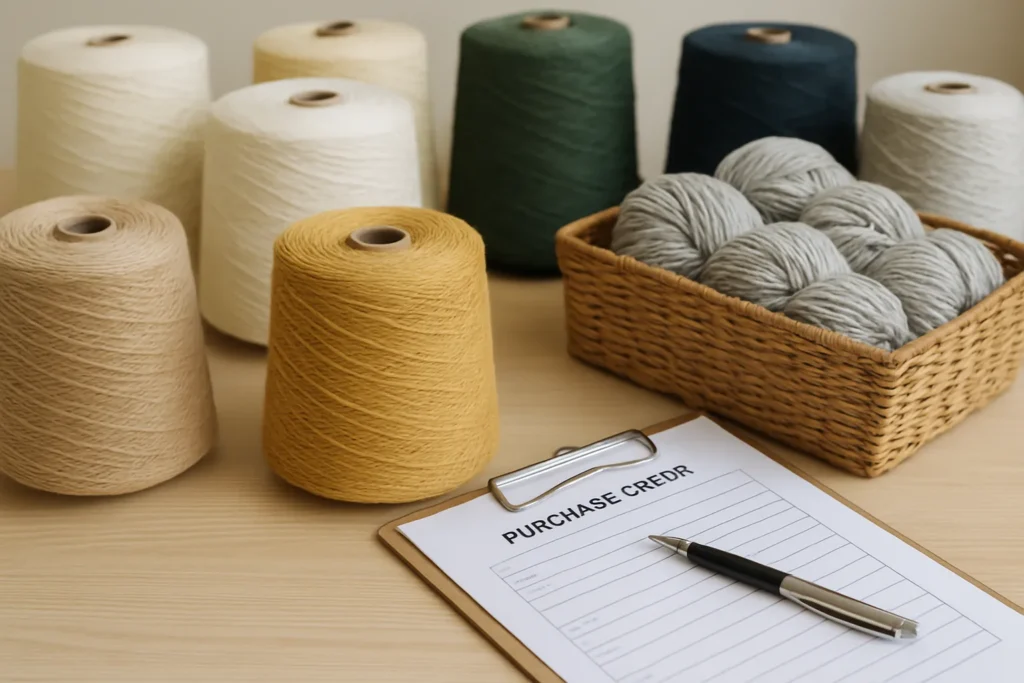
Understanding Bulk Yarn Purchasing: A Guide for Craft Suppliers
1. Introduction to Bulk Yarn Purchasing
In the crafting industry, the significance of bulk yarn purchasing is truly remarkable. For craft suppliers, sourcing bulk yarn is not just about enhancing product assortments; it plays a pivotal role in boosting profitability. Bulk yarn enables suppliers to cater to the diverse needs of their customers while ensuring access to high-quality materials at competitive price points.
The craft materials market has experienced exponential growth in recent years, fueled by a resurgence in DIY projects and the increasing popularity of handmade goods. As more individuals embrace crafting as both a hobby and a business, the demand for bulk yarn is on the rise. Craft suppliers who are well-versed in the intricacies of bulk yarn purchasing can strategically position themselves in this expanding market.
2. Key Specifications of Bulk Yarn
When it comes to purchasing bulk yarn, grasping the essential specifications is crucial to ensure that the products align with customer expectations.
- Types of Yarn Fibers: Bulk yarn is available in various fibers, each possessing distinct properties. Common options include cotton, wool, acrylic, and blends. Each fiber type offers unique textures, durability, and care requirements, making it essential for suppliers to select the right fiber based on their target market.
- Yarn Weight and Thickness: Yarn weight significantly influences the final product. Ranging from lace weight to bulky, the thickness of the yarn affects the drape, appearance, and warmth of the finished item. Craft suppliers should familiarize themselves with standard weight categories to assist customers in selecting the appropriate yarn for their projects.
- Color and Dye Options: The color palette available in bulk yarn can greatly influence consumer purchasing decisions. Suppliers should consider offering a broad range of colors and dye options, including solid colors, variegated yarns, and specialty dyes. This variety not only caters to different tastes but also allows for creative freedom in crafting.
3. Use Cases for Bulk Yarn
Understanding the various applications of bulk yarn can empower suppliers to effectively market their products.
- Popular Craft Projects: Bulk yarn is widely used in knitting, crocheting, weaving, and other textile arts. Popular projects include scarves, blankets, and toys. By showcasing these applications, suppliers can inspire customers and encourage bulk purchases.
- Seasonal Trends in Yarn Usage: Crafting trends often shift with the seasons. For example, warmer colors and thicker yarns may be more popular in fall and winter, while lighter pastel shades are favored in spring and summer. Suppliers should stay attuned to these trends to stock appropriate yarn selections.
- Customization Opportunities: Many customers seek personalized options for their crafting projects. Offering bulk yarn in customizable colors or fiber blends can attract more business and encourage larger orders, as customers are more likely to purchase in bulk for unique projects.
4. Comparing Bulk Yarn Suppliers
Choosing the right bulk yarn supplier is essential for craft suppliers aiming to optimize quality and profitability.
- Evaluating Quality and Pricing: When comparing suppliers, it’s vital to assess the quality of their yarn alongside pricing. While lower prices may be enticing, quality should never be compromised. Suppliers should request samples and evaluate the yarn before committing to bulk purchases.
- Supplier Reputation and Reviews: Investigating a supplier’s reputation through customer reviews and testimonials provides valuable insights into their reliability and service quality. Engaging with fellow craft suppliers or participating in industry forums can yield recommendations for reputable bulk yarn suppliers.
- Shipping and Delivery Options: Timely delivery is crucial in the crafting business. Suppliers should inquire about shipping options, delivery timelines, and associated costs. A supplier that offers efficient shipping can help craft suppliers maintain their inventory levels and meet customer demands promptly.
5. Sourcing Bulk Yarn Effectively
Effective sourcing strategies can streamline the bulk yarn purchasing process significantly.
- Identifying Reliable Suppliers: Craft suppliers should compile a list of potential suppliers through online research, trade shows, or industry connections. Evaluating their product offerings, pricing structures, and customer service practices is vital in identifying trustworthy partners.
- Negotiating Bulk Purchase Agreements: Once potential suppliers are identified, negotiating terms can lead to better pricing and conditions. Suppliers should be ready to discuss volume discounts, payment terms, and return policies to ensure a mutually beneficial agreement.
- Understanding Minimum Order Quantities: Many suppliers impose minimum order quantities (MOQs) for bulk yarn purchases. Craft suppliers must be aware of these requirements and factor them into their purchasing strategy to avoid overstocking or understocking.
6. Implementing Bulk Yarn Purchases
After sourcing bulk yarn, effective implementation is crucial to maximizing its benefits.
- Inventory Management Strategies: Craft suppliers should adopt inventory management systems to monitor stock levels and sales trends. This data can inform future purchasing decisions and help avoid stockouts or excess inventory.
- Storage Solutions for Bulk Yarn: Proper storage is essential for maintaining the quality of bulk yarn. Suppliers should invest in climate-controlled storage solutions to protect yarn from moisture, pests, and fading. Organizing yarn by fiber type, weight, and color can also facilitate easier access.
- Planning for Seasonal Demand: Anticipating seasonal demand helps craft suppliers adjust their inventory levels accordingly. By analyzing past sales data and current trends, suppliers can better prepare for fluctuations in bulk yarn sales throughout the year.
7. Frequently Asked Questions
- What is the Best Way to Store Bulk Yarn? The optimal way to store bulk yarn is in a cool, dry location away from direct sunlight. Utilizing airtight containers can help prevent pests and moisture damage.
- How to Choose the Right Yarn for Specific Projects? When selecting the right yarn, consider the project type, desired texture, and care instructions. Suppliers can guide customers by providing information on yarn weight, fiber content, and recommended patterns.
- What are the Benefits of Buying Yarn in Bulk? Purchasing yarn in bulk offers numerous advantages, including cost savings, a broader variety of options, and the ability to fulfill larger orders. It also enables suppliers to maintain consistent stock levels and respond to customer demands more effectively.
Conclusion
Comprehending bulk yarn purchasing is essential for craft suppliers aiming to thrive in a competitive landscape. By grasping the key specifications, potential use cases, and effective sourcing strategies, suppliers can enhance their product offerings and better serve their clientele. As the crafting community continues to evolve, those who invest in bulk yarn will find themselves well-positioned to capitalize on this expanding sector of the craft materials market. For further insights on bulk yarn, consider visiting this industry reference from AZoM.