
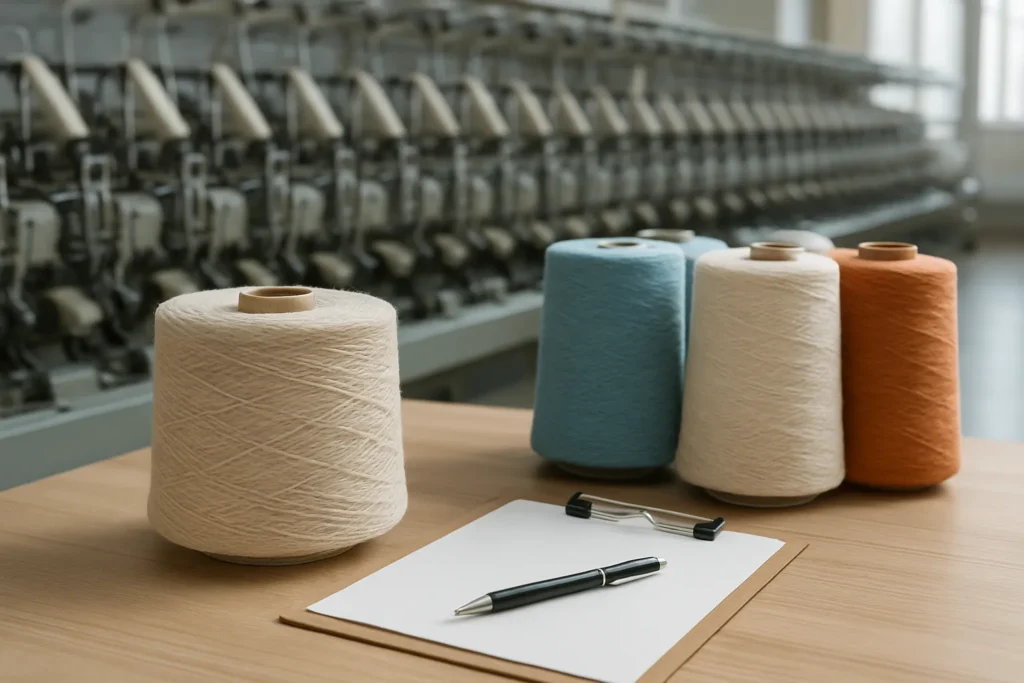
Exploring Custom Yarn Orders: Key Insights for Manufacturers in 2023

In today’s dynamic textile market, custom yarn orders are becoming increasingly vital for yarn manufacturers. As businesses strive to differentiate their products and meet specific client needs, understanding the nuances of custom yarn orders is essential. This article delves into the key components of custom yarn orders, providing valuable insights for yarn manufacturers looking to navigate this growing segment of the industry.
1. Understanding Custom Yarn Orders
Definition of Custom Yarn Orders
Custom yarn orders refer to the production of yarn tailored to specific requirements set by clients. These orders can encompass various parameters, including fiber types, colors, weights, and blends. Unlike standard stock yarn, custom orders are designed to meet unique specifications, allowing manufacturers to cater to diverse market demands.
Importance for Yarn Manufacturers
For yarn manufacturers, offering custom yarn orders can significantly enhance competitiveness. It allows them to tap into niche markets, respond to evolving consumer preferences, and build long-term relationships with clients. From my experience, providing customized solutions not only differentiates offerings but also fosters brand loyalty among clients.
Key Trends in Custom Yarn Demand
Recent trends indicate a growing preference for personalized products across various industries. The rise of sustainable fashion, for instance, has led to increased demand for eco-friendly custom yarns. Additionally, the proliferation of small businesses and independent designers seeking unique materials has further fueled the need for custom yarn solutions.
2. Specifications for Custom Yarn
Fiber Types and Blends
One of the primary considerations in custom yarn orders is the choice of fiber types. Manufacturers can work with natural fibers such as cotton, wool, and silk, or synthetic fibers like polyester and nylon. Blends, combining different fibers, are also popular for achieving desired characteristics such as durability, softness, and elasticity. I believe that understanding the right fiber combinations can significantly elevate the quality of the final product.
Yarn Weight and Thickness
Yarn weight and thickness are crucial specifications that impact the final product’s texture and usability. From lace weight to bulky yarn, manufacturers must understand the intended application to recommend appropriate options. Custom orders can specify exact weights to ensure the yarn meets client expectations, which is something I’ve seen can make a big difference in customer satisfaction.
Color and Dye Options
Color customization is another significant aspect of custom yarn orders. Manufacturers should offer a range of dye options, including solid colors, variegated yarns, and gradient effects. Understanding color theory and trends can help manufacturers provide valuable insights to clients, ensuring the final product aligns with their vision.
3. Use Cases for Custom Yarn
Applications in Fashion and Apparel
Custom yarns play a vital role in the fashion industry, where unique textures and colors can set a brand apart. Designers often seek specific yarns for knitwear, accessories, and high-end apparel, making it essential for manufacturers to understand fashion trends and client needs. From what I have seen, the right yarn can truly elevate a designer’s work.
Home Textiles and Decor
In the realm of home textiles, custom yarn orders are increasingly popular for creating bespoke items like blankets, cushions, and wall hangings. Manufacturers can cater to interior designers and consumers looking for unique pieces that reflect personal style. This sector offers a great opportunity to showcase creativity and craftsmanship.
Industrial and Technical Uses
Beyond fashion and home textiles, custom yarns are also utilized in industrial applications. This includes technical textiles for automotive, medical, and protective gear. Yarn manufacturers must be equipped to handle the specific requirements of these sectors, including durability and performance standards, which can be quite challenging yet rewarding.
4. Comparing Custom Yarn Options
Made-to-Order vs. Stock Yarn
When considering custom yarn orders, manufacturers should weigh the benefits of made-to-order yarn against stock yarn. Made-to-order allows for complete customization, while stock yarn offers quicker turnaround times. In my experience, understanding client needs is crucial to providing the best option.
Cost Considerations
Cost is a critical factor in custom yarn orders. While custom solutions may come at a premium due to the tailored nature of production, manufacturers should educate clients on the value of bespoke products. Transparent pricing strategies can help manage client expectations and foster trust, which is essential in any business relationship.
Lead Times and Delivery Schedules
Custom yarn orders typically involve longer lead times compared to stock yarn. Manufacturers must communicate realistic delivery schedules to clients, factoring in production times, dyeing processes, and shipping logistics. Effective timeline management is crucial for maintaining client satisfaction, and I often emphasize this in discussions with clients.
5. Sourcing Custom Yarn Materials
Finding Reliable Suppliers
Sourcing high-quality materials is essential for fulfilling custom yarn orders. Yarn manufacturers should establish relationships with reliable suppliers who can provide the necessary fibers and dyes. Conducting thorough research and vetting suppliers can help ensure consistent quality, which is something I prioritize in my own sourcing strategies.
Quality Control Measures
Implementing robust quality control measures is vital in custom yarn manufacturing. Regular testing and inspections throughout the production process can help identify issues early and maintain high standards. This commitment to quality can enhance a manufacturer’s reputation and client trust, which is invaluable in this competitive market.
Sustainable Sourcing Practices
With increasing consumer awareness of sustainability, yarn manufacturers should consider eco-friendly sourcing practices. This includes using organic fibers, non-toxic dyes, and sustainable production methods. By promoting sustainable practices, manufacturers can appeal to environmentally conscious clients and differentiate their offerings, which is increasingly important today.
6. Implementing Custom Yarn Orders
Order Process Overview
The order process for custom yarn typically involves several steps: initial consultation, specification gathering, production planning, and final delivery. Manufacturers should develop a streamlined process to ensure efficiency and clarity for clients, which can greatly enhance overall satisfaction.
Communication with Clients
Effective communication is key to successful custom yarn orders. Manufacturers should engage with clients throughout the process, providing updates and seeking feedback. This collaborative approach can help ensure the final product meets or exceeds client expectations, something I always strive for in my projects.
Managing Production Timelines
Managing production timelines is crucial for fulfilling custom orders. Manufacturers should establish clear timelines and allocate resources effectively to avoid delays. Utilizing project management tools can enhance visibility and coordination within the production team, making the process smoother for everyone involved.
7. Challenges in Custom Yarn Manufacturing
Common Production Issues
Custom yarn manufacturing can present various challenges, including material shortages, production delays, and quality discrepancies. Manufacturers should be prepared to address these issues proactively, implementing contingency plans to minimize disruptions. In my view, being prepared is half the battle in this industry.
Handling Client Expectations
Managing client expectations is essential in custom yarn orders. Manufacturers should provide realistic timelines, transparent pricing, and clear communication to ensure clients understand the complexities involved. Setting realistic expectations can help prevent misunderstandings and foster long-term relationships, which are vital for success.
Adapting to Market Changes
The textile industry is constantly evolving, and yarn manufacturers must be agile in adapting to market changes. Staying informed about trends, consumer preferences, and technological advancements can help manufacturers remain competitive and responsive to client needs.
8. Frequently Asked Questions
What is the Minimum Order Quantity?
Minimum order quantities for custom yarn can vary based on the manufacturer and the specifics of the order. Typically, manufacturers will set a minimum to ensure production efficiency, but this can be discussed during the initial consultation.
How to Handle Customization Requests?
Handling customization requests involves clear communication with clients about their needs and preferences. Manufacturers should be open to discussing potential options and providing guidance on feasible customizations.
What are the Payment Terms for Custom Orders?
Payment terms for custom yarn orders can vary by manufacturer. Typically, manufacturers may require a deposit upfront, with the balance due upon completion or delivery. It’s essential to establish clear payment terms during the negotiation stage.
Conclusion
Custom yarn orders present a significant opportunity for yarn manufacturers to differentiate themselves in a competitive market. By understanding the intricacies of custom specifications, sourcing materials responsibly, and managing client relationships effectively, manufacturers can meet the growing demand for personalized yarn solutions. As the textile industry continues to evolve, embracing custom orders will be key to sustaining growth and relevance in the marketplace.