Exploring High Elasticity Yarn: Advantages and Insights for Suppliers
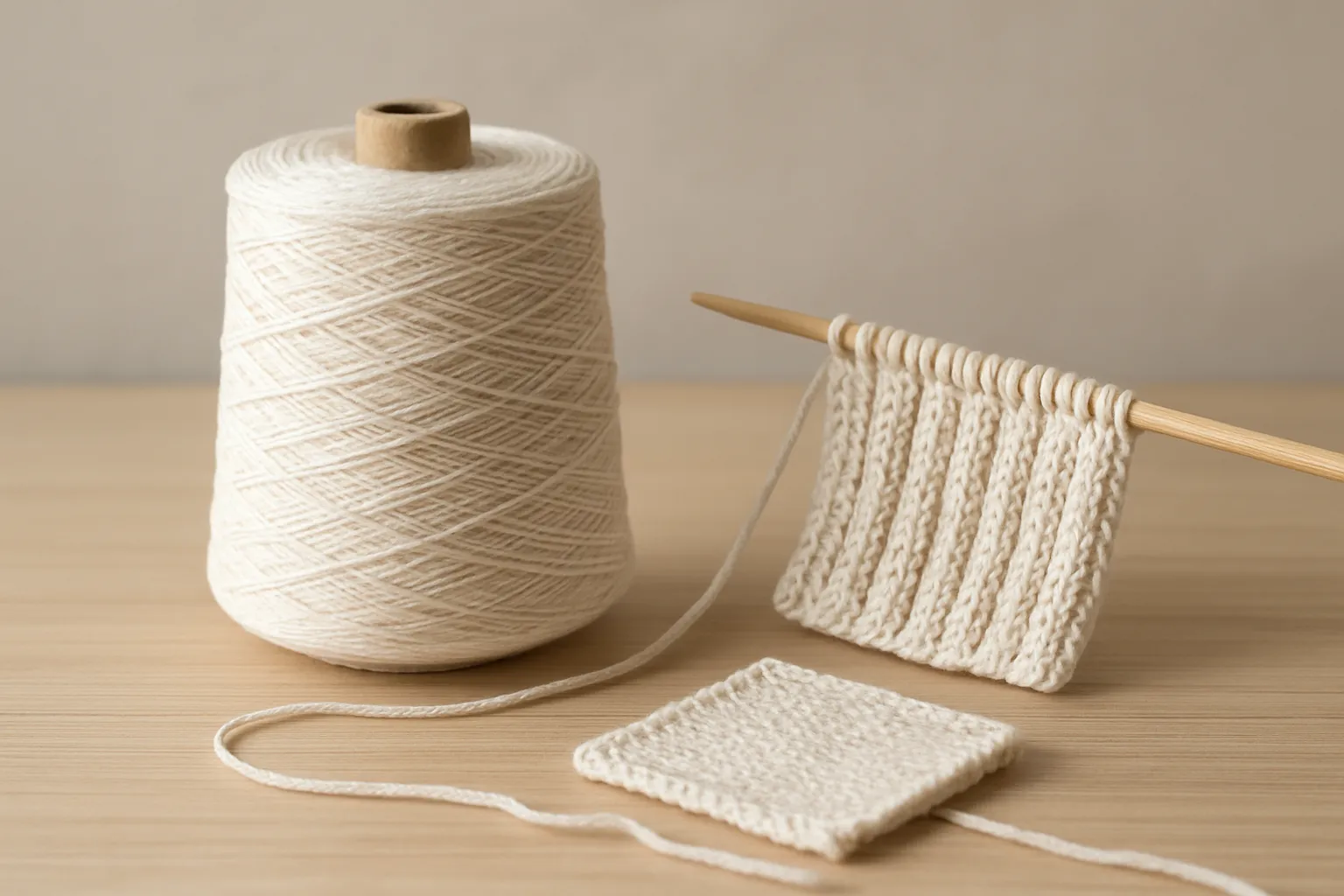
High elasticity yarn is an innovative type of yarn specifically engineered to stretch and regain its shape effectively. This unique property makes it a vital material across various crafting applications, particularly within the textile and fashion sectors. As a supplier of yarn, it is essential to grasp the benefits and potential applications of high elasticity yarn to meet the ever-evolving demands of crafters and manufacturers.
In recent years, there has been a noticeable shift in the crafting industry towards the adoption of high elasticity yarn, primarily due to its remarkable versatility and enhanced performance characteristics. This article aims to explore the specifications, use cases, and advantages of high elasticity yarn, offering valuable insights for suppliers and manufacturers eager to incorporate this groundbreaking material into their product lines.
Specifications of High Elasticity Yarn
- Material Composition: High elasticity yarn is typically crafted from a combination of synthetic fibers, such as spandex or elastane, along with traditional fibers like cotton, wool, or polyester. This blend allows the yarn to retain its elasticity while providing the desired texture and comfort for various applications.
- Elasticity Characteristics: One of the most defining features of high elasticity yarn is its ability to stretch significantly—often up to five times its original length—before returning to its original state. This elasticity enables garments and textiles to fit snugly without losing shape, making it ideal for form-fitting apparel and stretchable home textiles.
- Durability and Longevity: High elasticity yarn is not only stretchy but also remarkably durable. It resists wear and tear better than standard yarns, making it suitable for items that undergo frequent use and washing. This durability ensures that products crafted from high elasticity yarn have a longer lifespan, which is a key selling point for suppliers.
Use Cases of High Elasticity Yarn
- Apparel Manufacturing: High elasticity yarn is widely utilized in the apparel industry, particularly in activewear, swimwear, and undergarments. Its stretch properties allow for comfortable movement, making it a preferred choice for manufacturers aiming to create performance-oriented clothing.
- Home Textiles: In the realm of home textiles, high elasticity yarn is employed in products such as fitted sheets, stretchable upholstery, and decorative items. Its ability to conform to various shapes enhances both functionality and aesthetic appeal, making it a valuable addition to home décor.
- Specialty Craft Projects: Crafters frequently seek high elasticity yarn for specialty projects, including knitting and crocheting items that require flexibility, such as toys, accessories, and custom garments. The versatility of this yarn allows for creative expression while ensuring that finished products maintain their intended fit and form.
Comparison with Other Yarn Types
- High Elasticity Yarn vs. Standard Yarn: While standard yarns offer a variety of textures and colors, they often lack the stretchability that high elasticity yarn provides. This difference is crucial for applications requiring a snug fit or flexibility, making high elasticity yarn preferable in many crafting scenarios.
- Performance Metrics: In terms of performance, high elasticity yarn excels in stretch recovery, comfort, and fit. Standard yarn may not provide the same level of performance, particularly in garments designed for active wear or fitted designs.
- Cost-Effectiveness Analysis: Although high elasticity yarn may be priced at a premium compared to standard options, its durability and performance can result in cost savings over time. Products made from high elasticity yarn often require less frequent replacement, providing a better return on investment for manufacturers and crafters.
Sourcing High Elasticity Yarn
- Identifying Reliable Suppliers: For businesses aiming to source high elasticity yarn, finding a reliable supplier is crucial. Suppliers should have a proven track record of quality and consistency, as well as the capacity to meet bulk order demands. For more details on sourcing, visit our product page.
- Quality Assurance Practices: Quality assurance is vital when sourcing high elasticity yarn. Suppliers should implement stringent testing protocols to ensure that their yarn meets industry standards for elasticity, durability, and overall performance. Certifications and product samples can assist buyers in making informed decisions.
- Bulk Purchase Considerations: When purchasing high elasticity yarn in bulk, businesses should consider factors such as lead times, shipping costs, and storage requirements. Building a good relationship with suppliers can also facilitate better pricing and more favorable terms.
Implementation in Crafting Projects
- Recommended Techniques: When working with high elasticity yarn, crafters should employ techniques that optimize the yarn’s properties. Knitting and crocheting with a looser gauge can maximize stretch, while specific stitch patterns can further enhance elasticity.
- Tools and Equipment: Utilizing the right tools is essential when crafting with high elasticity yarn. Crafters should invest in quality needles and hooks that can accommodate the yarn’s unique properties, ensuring a smooth crafting experience and high-quality finished products.
- Common Mistakes to Avoid: A frequent mistake when working with high elasticity yarn is using too tight a tension, which can restrict the yarn’s stretchability. Crafters should also be cautious with washing and drying methods, as improper care can impact the yarn’s elasticity and longevity.
FAQs about High Elasticity Yarn
- What Makes High Elasticity Yarn Unique? High elasticity yarn stands out due to its exceptional stretch and recovery properties, allowing it to maintain shape and fit in various applications, from clothing to home textiles.
- How to Care for High Elasticity Yarn? Caring for high elasticity yarn involves washing in cold water and avoiding high heat when drying. Following the manufacturer’s care instructions will help preserve the elasticity and overall integrity of the yarn.
- Can High Elasticity Yarn Be Dyed? Yes, high elasticity yarn can often be dyed, but it is essential to use dyes specifically designed for synthetic fibers to achieve the best results without compromising the yarn’s properties.
Conclusion
High elasticity yarn represents a significant advancement in the crafting industry, offering unparalleled stretch, durability, and versatility. As a supplier of yarn, understanding the benefits and applications of this innovative material can help businesses meet the growing demand for high-performance textiles. By sourcing quality high elasticity yarn and implementing effective crafting techniques, suppliers and manufacturers can create products that not only meet but exceed customer expectations.