
A Comprehensive Guide to DIY Crochet Supplies for Craft Workshops
Introduction to DIY Crochet Supplies
In the realm of crafting, crochet has emerged as one of the most cherished and versatile forms of expression. Whether you’re leading a workshop for beginners or seasoned crafters, the quality of your DIY crochet supplies can profoundly influence the overall experience. High-quality supplies not only enhance the learning process but also ensure that participants leave with projects they can take pride in. In this guide, we will delve into the essential crochet workshop supplies you need, how to source them effectively, and tips for successful implementation in your craft workshops.
Essential Crochet Workshop Supplies
To create an engaging and productive crochet workshop, having the right supplies on hand is crucial. Here are the key components that every workshop should include:
Yarn Types and Specifications
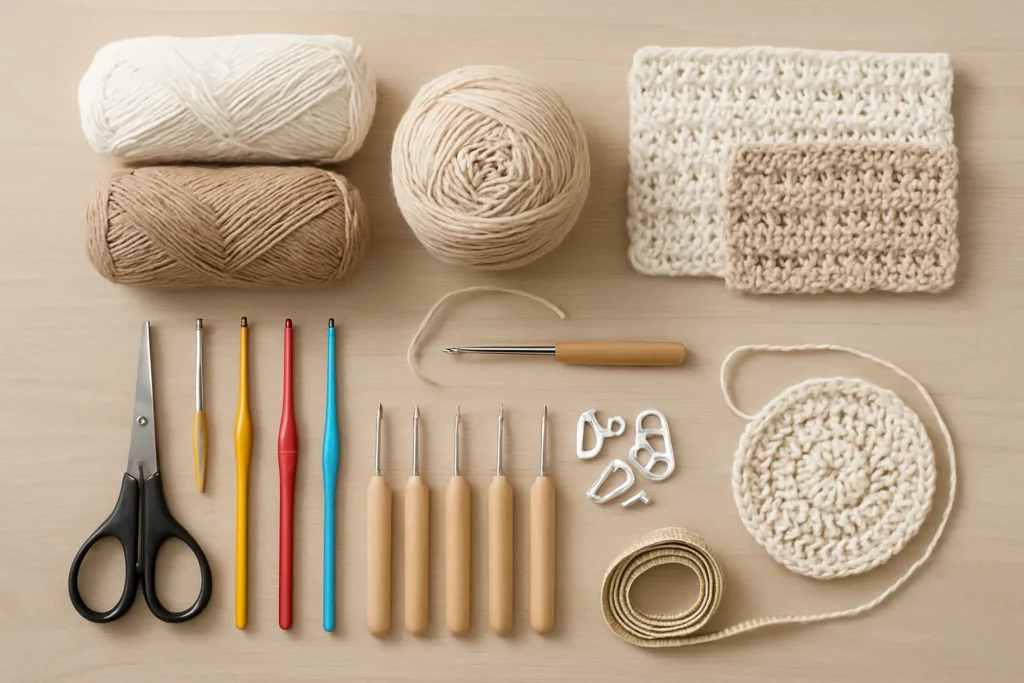
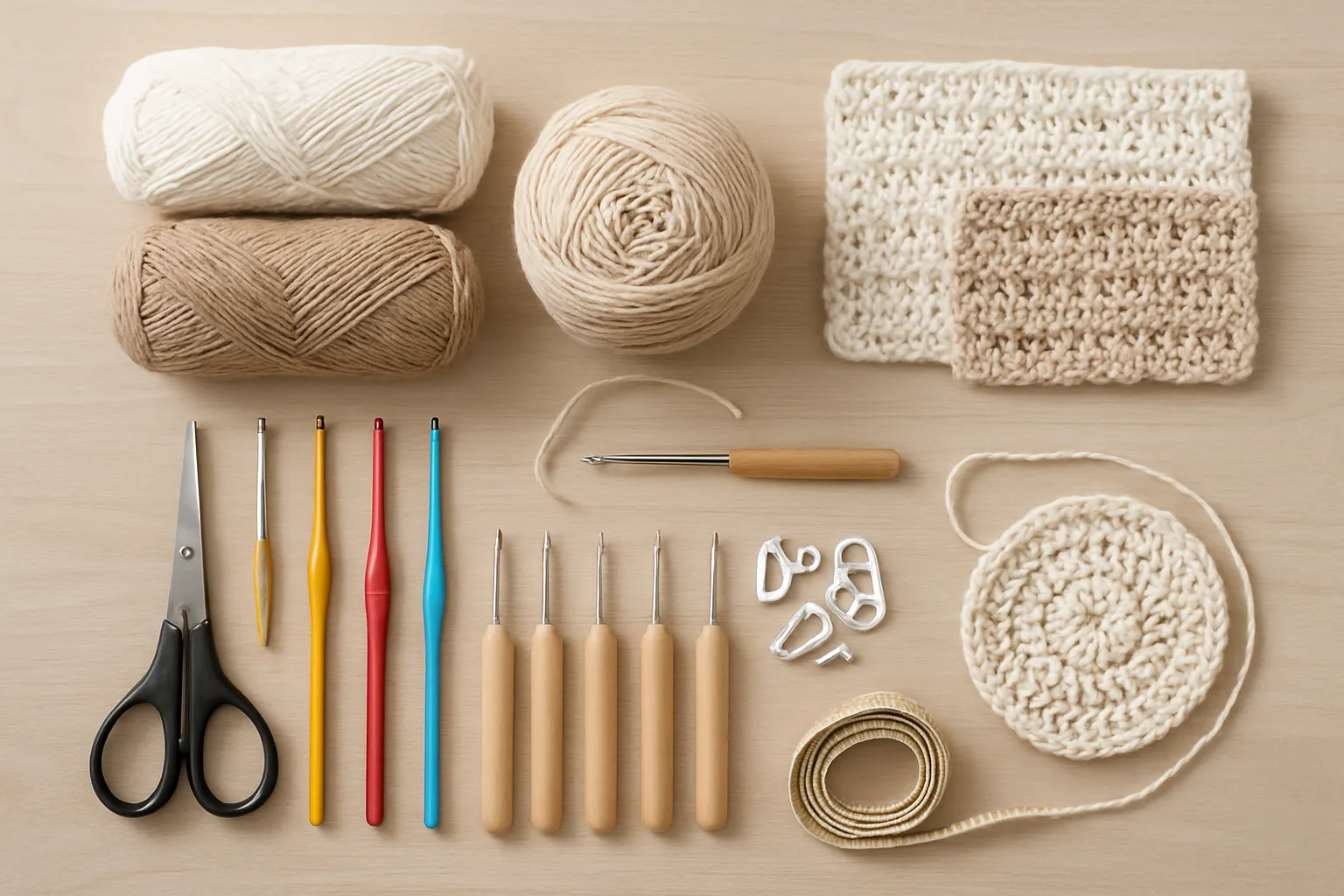
Yarn is the backbone of any crochet project, and selecting the right type is essential. There are various yarn fibers available, including cotton, wool, acrylic, and blends. Each type has its unique properties that affect the texture, durability, and drape of the finished product. For workshops, consider providing a range of yarn weights (from lace to bulky) to accommodate different skill levels and project types. You can find a variety of yarn options at Golden Textile’s product page.
Crochet Hooks: Sizes and Materials
Crochet hooks come in various sizes and materials, including aluminum, bamboo, and plastic. Providing a selection of hook sizes is important, as different yarn weights require different hook sizes for optimal results. Ensure that your workshop supplies include ergonomic options as well, catering to participants who may crochet for extended periods.
Additional Tools and Accessories
Beyond yarn and hooks, several accessories can enhance the crochet experience. These include stitch markers, measuring tapes, yarn needles, and scissors. Having these tools readily available can help streamline the learning process and minimize frustration among participants.
Sourcing DIY Crochet Supplies
Finding reliable sources for your crochet workshop supplies is critical for ensuring a smooth experience. Here’s how to navigate your options:
Wholesale vs. Retail Options
When sourcing crochet supplies, consider whether to purchase wholesale or retail. Wholesale suppliers often provide significant discounts on bulk purchases, which can be beneficial for workshops with many participants. However, retail options may offer a more diverse selection, allowing you to choose specific brands or specialty items.
Local vs. Online Suppliers
Both local craft stores and online suppliers have their advantages. Local suppliers can provide immediate access to materials and allow you to inspect quality firsthand. Online suppliers, on the other hand, often have a broader selection and may offer competitive pricing. Evaluate your specific needs and preferences when deciding where to source your supplies. For a comprehensive guide on sourcing, you can check out this industry reference.
Evaluating Supplier Reliability
When selecting suppliers, it’s essential to assess their reliability. Look for reviews, testimonials, and ratings from other crafters or workshop organizers. Reliable suppliers should also offer clear return policies and responsive customer service, ensuring that you can resolve any issues that may arise.
Cost Considerations for Workshop Supplies
Budgeting effectively for crochet workshop supplies is crucial for maintaining profitability while providing quality materials. Here are some strategies to consider:
Budgeting for Supplies
Start by estimating the number of participants and the types of projects you plan to offer. This will help you determine how much yarn, hooks, and additional supplies you will need. Create a budget that includes all necessary items, and don’t forget to factor in potential shipping costs.
Cost-Effective Sourcing Strategies
To keep costs down, consider bulk purchasing for commonly used items. Additionally, look for seasonal sales or discounts from suppliers. Collaborating with other workshop organizers to place larger orders can also yield significant savings.
Balancing Quality and Price
While it may be tempting to opt for the cheapest supplies, remember that quality matters. Poor-quality yarn or tools can lead to frustration and dissatisfaction among participants. Aim to strike a balance between affordability and quality to ensure a positive workshop experience.
Use Cases for Crochet Supplies in Workshops
Different types of workshops can benefit from a tailored approach to crochet supplies. Here are some common use cases:
Beginner Workshops
For beginners, focus on simple patterns and basic supplies. Use medium-weight yarn and larger hooks to make handling easier. Providing instructional materials, such as step-by-step guides or video tutorials, can also enhance the learning experience.
Advanced Techniques and Projects
For more advanced workshops, consider introducing specialty yarns (like hand-dyed or textured options) and intricate patterns. Offering a variety of tools, such as ergonomic hooks and advanced accessories, can also attract experienced crafters looking to refine their skills.
Seasonal and Thematic Workshops
Seasonal workshops can leverage specific themes, such as holiday decorations or summer accessories. Tailor your supplies to fit the theme, ensuring that participants have everything they need to create relevant projects.
Implementation Tips for Successful Workshops
Effective organization and management are key to a successful crochet workshop. Here are some tips to ensure everything runs smoothly:
Organizing Supply Kits
Prepare supply kits for each participant in advance. Include all necessary items, such as yarn, hooks, and accessories, to minimize disruptions during the workshop. Clearly label each kit to avoid confusion.
Setting Up Workstations
Create designated workstations with ample space for each participant. Ensure that there is adequate lighting and access to tools. Consider arranging tables in a way that promotes interaction and collaboration among participants.
Managing Time and Instruction
Plan your workshop schedule carefully, allowing time for instruction, practice, and Q&A sessions. Be prepared to adapt your teaching style to accommodate varying skill levels, ensuring that everyone feels supported throughout the process.
Frequently Asked Questions
Common Supply Mistakes
One common mistake is underestimating the amount of yarn needed for projects. Always account for extra yarn to avoid running out mid-project. Additionally, ensure that all tools are appropriate for the projects being taught.
Tips for First-Time Organizers
If you’re organizing your first crochet workshop, start small. Limit the number of participants and focus on a single project. Gather feedback after the workshop to improve future sessions.
Resources for Further Learning
Encourage participants to explore online resources, such as crochet blogs, YouTube channels, and social media groups. These platforms can provide ongoing support and inspiration beyond the workshop.
Conclusion
In conclusion, organizing a successful crochet workshop requires careful planning and quality DIY crochet supplies. By understanding the essential materials needed, sourcing them effectively, and implementing strategic management practices, you can create an enjoyable and enriching experience for all participants. Whether you’re catering to beginners or seasoned crafters, the right supplies will empower creativity and foster a love for crochet.