Choosing the Best Decorative Yarn for Craft Projects: A Guide
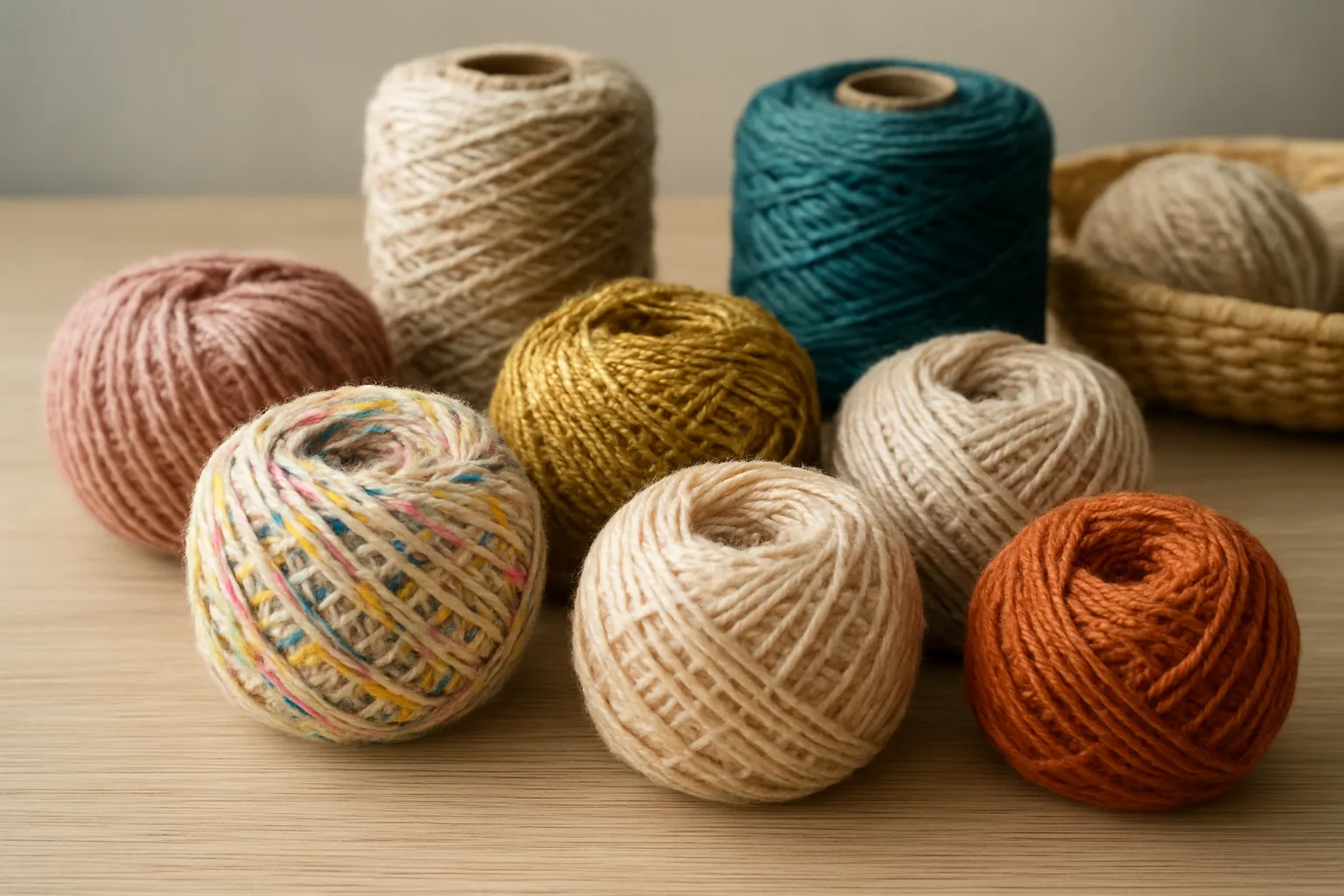
Decorative yarn is not just a functional material; it is an essential tool for crafters aiming to add a unique flair to their projects. In my experience, understanding the nuances of decorative yarn can significantly enhance the quality and aesthetics of your work. Let’s delve into what makes decorative yarn special, its various types, and how to choose the right one for your needs.
Understanding Decorative Yarn
Definition of Decorative Yarn
Decorative yarn is specifically designed for embellishment and enhancement in craft projects. Unlike standard yarns, which prioritize functionality, decorative yarns focus on aesthetics, offering texture and visual appeal. This makes them perfect for a wide range of crafts, including knitting, crocheting, weaving, and macramé.
Types of Decorative Yarn
There are several popular types of decorative yarn, each serving unique purposes:
- Boucle Yarn: Features loops that create a textured appearance, ideal for adding dimension.
- Raffia Yarn: Made from natural fibers, it resembles straw and is commonly used in rustic crafts.
- Novelty Yarn: Comes in various textures and colors, often with metallic threads or unique patterns, perfect for standout pieces.
- Chenille Yarn: Known for its velvety texture, it’s great for soft items like blankets and stuffed animals.
Key Characteristics to Consider
When selecting decorative yarn, keep these characteristics in mind:
- Texture: The yarn’s feel can greatly influence the final product; choose one that complements your project.
- Color: Vibrant colors enhance visual appeal, while muted tones offer subtlety.
- Flexibility: Some yarns are more pliable, affecting their usability in different projects.
Specifications of Decorative Yarn
Material Composition
Decorative yarns come in various materials, including natural fibers like cotton, wool, and silk, as well as synthetic options such as acrylic and nylon. Each material offers distinct benefits. For example, cotton is breathable and ideal for warm-weather projects, while wool provides insulation for winter garments.
Thickness and Weight
Yarns are categorized by thickness, including lace, fingering, worsted, and bulky. The weight affects how the yarn behaves during crafting. Thicker yarns may speed up projects but might not deliver the same detail as finer yarns. Matching the yarn weight to your intended project is crucial for optimal results.
Color and Texture Options
The range of colors and textures in decorative yarns can dramatically impact your project’s aesthetic. From solid hues to variegated and ombre options, the possibilities are endless. The texture can vary from smooth to highly textured, allowing for creative expression.
Use Cases for Decorative Yarn
Craft Projects for Home Decor
Decorative yarn is commonly used in home decor projects, such as wall hangings, throw pillows, and knitted blankets. These items not only serve functional purposes but also add a personal touch to your living space. By utilizing decorative yarn, you can enhance the overall design and create a cohesive look.
Fashion and Apparel Applications
In the fashion industry, decorative yarn is vital for creating unique garments and accessories. Eye-catching scarves, hats, and embellished sweaters are just a few examples of how these yarns can elevate clothing items. Designers often use them to add intricate details and textures, making their products stand out.
Educational and DIY Projects
Decorative yarn is also popular in educational settings and DIY projects. Schools and community centers often incorporate these materials in art classes, teaching students about color theory and texture. DIY enthusiasts appreciate decorative yarn for its versatility in creating personalized gifts and home projects.
Comparing Decorative Yarn Options
Price Points and Budget Considerations
When choosing decorative yarn, considering your budget is essential. Prices can vary widely based on material, brand, and quality. While it may be tempting to choose cheaper options, investing in high-quality yarn often results in better outcomes and more durable projects.
Quality Assessment Criteria
Evaluating the quality of decorative yarn means looking at several factors, including the yarn’s twist, ply, and finish. High-quality yarn should feel soft, have consistent thickness, and maintain its shape during use. Checking for fraying or inconsistencies is crucial to ensure you select the best product.
Brand Reputation and Reviews
Researching brand reputation and reading customer reviews are excellent ways to gain insights into the quality and performance of decorative yarn. Established brands typically have a history of producing reliable products, while customer feedback can reveal any potential issues or advantages.
Sourcing Decorative Yarn
Where to Buy Decorative Yarn
You can purchase decorative yarn from various sources, including local craft stores, specialty yarn shops, and online retailers. Local stores allow you to physically examine the yarn, while online retailers often provide a broader selection and better pricing. For an extensive range of decorative yarn options, check out Golden Textile’s product offerings.
Evaluating Suppliers and Wholesalers
For businesses looking to buy decorative yarn in bulk, evaluating suppliers and wholesalers is crucial. Consider factors such as minimum order quantities, shipping costs, and return policies. Building a solid relationship with a reliable supplier can lead to better pricing and service.
Shipping and Delivery Considerations
When sourcing yarn online, consider the available shipping options. Fast and reliable delivery is vital, especially for time-sensitive projects. Ensure the supplier provides tracking services and flexible shipping options to guarantee timely receipt of your materials.
Implementing Decorative Yarn in Projects
Techniques for Using Decorative Yarn
Incorporating decorative yarn into your projects can involve various techniques, including knitting, crocheting, weaving, and wrapping. Each technique yields different results, so experimentation is key to finding what works best for your creative vision.
Tools and Accessories Needed
To effectively use decorative yarn, certain tools and accessories are essential. Standard tools include knitting needles, crochet hooks, and weaving looms, while accessories like stitch markers, yarn bowls, and scissors can enhance your crafting experience. Investing in quality tools can significantly improve the ease and enjoyment of your projects.
Tips for Successful Crafting
To achieve the best results with decorative yarn, consider these tips:
- Always check your gauge to ensure your project turns out as expected.
- Use a yarn guide or pattern to maintain consistency in your work.
- Don’t hesitate to mix and match different yarns for unique textures and colors.
Frequently Asked Questions
Common Concerns About Decorative Yarn
Many crafters have questions about best practices for using decorative yarn. Common concerns include how to care for finished projects and how to choose the right yarn for specific applications.
Troubleshooting Craft Issues
Crafting with decorative yarn can present challenges. Issues such as yarn splitting, tangling, or uneven tension may arise. Understanding how to troubleshoot these problems is essential for maintaining the integrity of your project.
Best Practices for Yarn Storage
Proper storage of decorative yarn is vital for maintaining its quality. Store yarn in a cool, dry place away from direct sunlight to prevent fading and damage. Clear containers can help keep your yarn organized and easily accessible.
Conclusion
Choosing the right decorative yarn for your craft projects involves careful consideration of various factors, including material, thickness, color, and texture. By understanding the specifications and potential use cases for decorative yarn, you can make informed decisions that enhance your crafting experience. Whether you are creating home decor, fashion items, or DIY projects, the right decorative yarn can elevate your work and inspire creativity. Armed with the right knowledge and resources, you can confidently explore the vast world of decorative yarn and bring your creative visions to life.